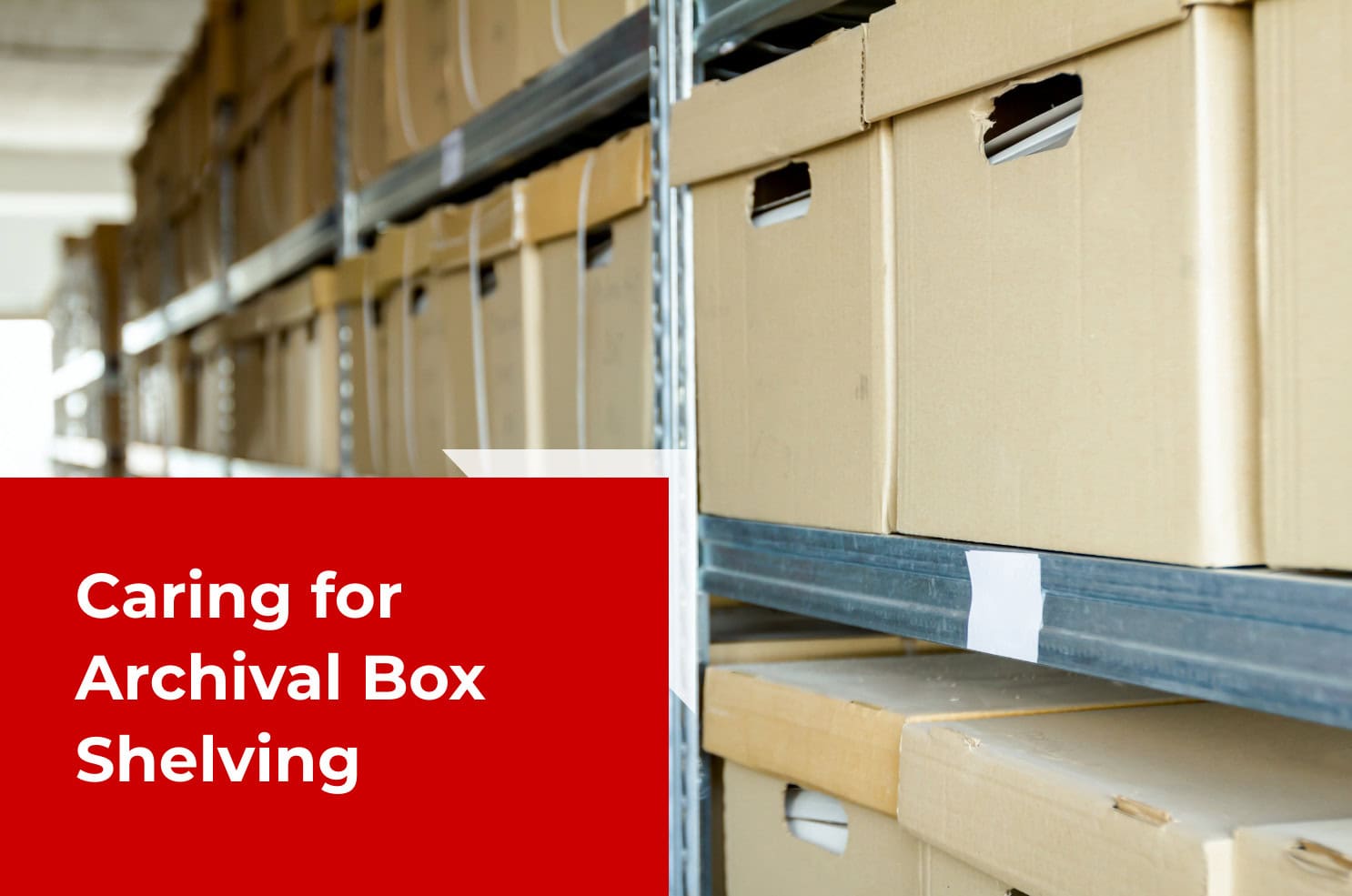
Maintaining Archival Box Shelving: Cleaning, Inspection, and Preventive Care
No matter what you’re storing, sturdy shelving is fundamental. And just as important is keeping your shelving in good shape in order to protect your materials and have a safe, compliant, and efficient workspace.
Regular archival box shelving maintenance safeguards your records and keeps operations running smoothly for decades. But neglecting upkeep means damaged documents and expensive repairs, not to mention compliance issues. We see this far too often at SRS.
The Importance of Archival Shelving Maintenance
Archival shelving needs to provide solid support that won’t break down over time, and this requires routine care to prevent warping, rust, and other damage that can put your records at risk. Good maintenance also helps you stay compliant with standards from organizations like the National Archives.
Sticking to the right maintenance schedule reduces the chance of costly repairs or sudden system failures. In the long run, investing in upkeep saves money, cuts downtime, and keeps your shelving as good as new for years.
Cleaning Archival Shelving Step by Step
Set up a schedule where you clean up high-traffic areas on a quarterly basis and low-traffic areas once a year. If you’re in a dusty environment, you might need to clean more frequently.
Archive shelving cleaning is simple. Start by removing boxes one section at a time. Then, clean your shelving with a soft brush or microfiber towel, making sure you get into the corners and joints. If you need to, you can use soapy water and a damp cloth, but don’t use any harsh chemicals or equipment. Finally, wait until everything’s good and dry before you put the boxes back.
Best Practices for Archival Storage Longevity
Certain everyday habits will also help you maintain the integrity of your shelving units. For example, be sure to keep pathways clear so forklifts and pallet jacks don’t bump into uprights or beams. Keep an eye on humidity, too, and keep it between 30 and 50 percent to keep rust and mildew from forming.
Label each shelf with its maximum load rating, and never exceed those limits, or your shelves will become unstable and unsafe. Do a walkthrough once a month with a shelf inspection checklist to spot any issues and take care of them right away.
Understanding Archival Box Shelving Maintenance Schedules
Archival box shelving maintenance is most effective if you follow a clear schedule. Set up a calendar to include the following:
- Daily visual checks: These only take a few minutes but help you spot small issues before they become bigger problems.
- Monthly inspections: Walk through each aisle to test beam connections and make sure all anchor bolts are secure.
- Quarterly professional assessments: Have SRS technicians take a closer look at the structure and check for any early signs of wear or damage.
Archival Shelving Inspection and Preventive Care Tips
Plan quarterly archival shelving inspections and take the time to walk each aisle with a flashlight and a clipboard. Look for bent beams, loose hardware, frame distortion, or any movement at the base plates. Get down to floor level to check the anchor bolts, since vibration from nearby equipment can slowly loosen them over time. Tighten up anything that’s not secure to meet OSHA storage standards for proper installation.
Double-check beam connections to be sure all clips are locked in place and there aren’t any gaps. If any safety clips look damaged, replace them right away, or your beams could end up slipping. Move mobile shelving solutions once a month to make sure they roll smoothly without resistance.
Rust, Corrosion, and Structural Damage
Powder coating and galvanized finishes are your first layer of corrosion protection, but they still need regular attention. If you spot chipped paint or scratches that expose bare metal, touch them up right away to seal the surface and stop rust from forming. Watch for any white, chalky buildup on steel parts, too, as it’s a sign that the zinc coating is starting to break down from too much moisture.
Keep an eye out for frame deflection. Bending usually means the shelves are overloaded or there’s been an impact. A bent upright can weaken the entire structure. At SRS, we recommend replacing damaged components rather than trying to repair them. Be sure to take photos during inspections so you can track any changes over time.
Common Issues to Watch For
We see some issues show up again and again. Here’s how you can avoid them:
- Uneven loading: This can make shelving unstable, so keep heavier boxes on the lower levels and lighter ones up top.
- Misplaced parts: When you rearrange shelves, keep track of safety parts like beam clips, wall ties, and frame spacers so they don’t go missing.
- Floor settlement: Watch for signs of settling and address it right away, as it can cause frame cracking.
- Cluttered aisles: If equipment gets in the way, it can block access and compromise safety.
SRS has installed hundreds of archival shelving systems for everything from manufacturing plants to hospitals and government offices, and we know by experience that regular upkeep makes all the difference in protecting your records and keeping them accessible.
Get Expert Help with Your Storage Systems
Our team at SRS is here to guide you through archive box storage shelving maintenance. We’ve spent decades helping facilities make the most out of their storage setups. Contact us for a free consultation.
FAQ
How often should archival shelving be inspected?
Conduct thorough quarterly inspections for active storage areas and annual checks for low traffic zones. Monthly visual walkthroughs in high-volume facilities allow you to catch issues early.
What cleaning agents are safe for archival shelving?
Use mild dish soap and warm water for most cleaning tasks. Avoid bleach, ammonia, or abrasive cleaners, which will damage powder coating or accelerate corrosion.
How do I prevent rust or corrosion?
Keep humidity between 30 and 50 percent, repair paint scratches immediately, ventilate adequately, and keep shelving dry. Apply rust-inhibiting primer to exposed metal before touching up with finish paint.
Can archival shelving hold heavy boxes safely?
Yes, if they’re properly specified and loaded. Most archival storage shelving can handle hundreds of pounds per shelf level. Verify load ratings for your specific configuration and distribute weight evenly across beams.